


Why choose sustainable bags? Style, durability, eco impact
TL;DR:
- One well-made sustainable bag can replace up to 700 single-use plastic bags in its lifetime.
- Durability and lifecycle assessment are key to genuine sustainability in bags, not just materials or labels.
- Modern eco-friendly bags combine style, practicality, and environmental benefits, making them smart everyday choices.
One stylish, well-made bag can replace up to 700 single-use plastic bags over its lifetime. That single fact dismantles the idea that choosing an eco-friendly bag is a small, symbolic gesture. Yet many urban shoppers still assume sustainable means sacrificing style, durability, or practicality. The reality is quite the opposite. Modern sustainable bags are crafted from materials that outperform conventional options in longevity, and they look genuinely good doing it. This guide walks you through the evidence, the materials, and the practical choices that make sustainable bags the smartest upgrade you can make to your everyday carry.
Table of Contents
- What makes a bag ‘sustainable’?
- Environmental benefits: The numbers behind reusability
- Choosing the right materials for style and impact
- Style meets substance: Chic, durable, and practical for city life
- Why ‘normal’ bags miss the bigger picture: Our editorial perspective
- Ready to upgrade? Find sustainable bags that suit your style
- Frequently asked questions
Key Takeaways
| Point | Details |
|---|---|
| Reusable bags cut waste | One sustainable bag can replace hundreds of single-use plastics, slashing pollution. |
| Quick carbon offsets | Materials like hemp and rPET reach carbon neutrality within a handful of uses. |
| Style meets substance | Today’s eco bags prove you don’t need to sacrifice looks or function to go green. |
| Durability matters most | Choosing a long-lasting bag multiplies environmental impact over years of daily use. |
| Smart choices reshape habits | Selecting sustainable bags helps normalise responsible shopping for city dwellers. |
What makes a bag ‘sustainable’?
The word ‘sustainable’ gets applied to almost everything these days, so it pays to know what it actually means for a bag. True sustainability is measured through a lifecycle assessment (LCA), a method that tracks a product’s environmental impact from raw material extraction right through to disposal. An LCA considers energy use, water consumption, carbon emissions, and what happens to the bag once you no longer want it. Understanding the eco-friendly bag definition properly helps you cut through the noise.
For a bag to genuinely qualify as sustainable, it needs to perform well across five key criteria: responsible material sourcing, low-impact manufacturing, long reusability, minimal end-of-life waste, and structural durability. Durability is arguably the most critical factor, because a bag that falls apart after six months is never truly sustainable regardless of what it is made from. Good bag design for sustainability accounts for all of these stages together.
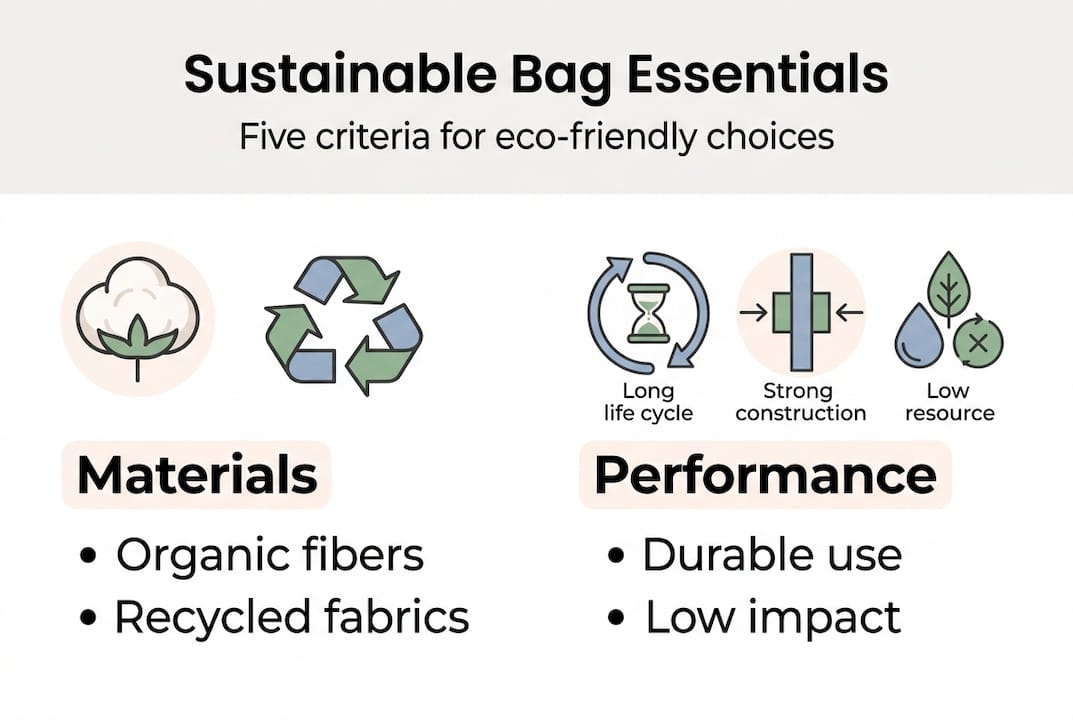
One of the most useful concepts from LCA research is the break-even point: the number of uses required before a reusable bag offsets the environmental cost of producing it compared to a single-use plastic bag. According to lifecycle analysis data, hemp bags offset their impact after just 4 uses, rPET after 11, and organic cotton after 131 uses, compared to single-use plastic.
| Material | Break-even uses | CO2 equivalent |
|---|---|---|
| Hemp | 4 uses | 0.7 kg CO2 eq |
| rPET (recycled plastic) | 11 uses | 0.3 kg CO2 eq |
| Organic cotton | 131 uses | 1.8 kg CO2 eq |
Knowing these numbers helps you make an informed purchase rather than a hopeful one. Greenwashing, where brands make vague environmental claims without evidence, is rife in the accessories market. Watch out for these red flags:
- Vague terms like ‘eco-inspired’ or ‘nature-friendly’ with no certification
- No information about where or how the bag was manufactured
- Claims of sustainability without any mention of material sourcing or durability testing
- No transparency around end-of-life options such as repair, recycling, or composting
Pro Tip: Prioritise bags that come with transparent lifecycle documentation or credible third-party certifications. If a brand cannot tell you where its materials come from, that is a clear signal to look elsewhere.
Environmental benefits: The numbers behind reusability
With definitions established, let’s examine exactly how sustainable bags make an environmental difference. The scale of the problem they address is significant. Globally, hundreds of billions of single-use plastic bags are consumed every year, most ending up in landfill or the ocean within minutes of use. A single reusable bag, used consistently, can replace around 700 plastic bags over its lifespan. That is not a rounding error. That is a genuine, measurable reduction in plastic waste.
The carbon picture is equally compelling. Once a reusable bag passes its break-even point, every additional use represents a net environmental saving. The CO2 savings by material show hemp at 0.7 kg CO2 eq offset in just 4 uses, rPET at 0.3 kg in 11 uses, and organic cotton at 1.8 kg in 131 uses. After those thresholds, the savings compound with every single outing.
Once a reusable bag passes its break-even point, lifecycle assessments consistently show it outperforms single-use plastic on every environmental metric, from carbon emissions to water pollution and landfill contribution.
| Scenario | Single-use plastic bags | Reusable bag (hemp) |
|---|---|---|
| 1 use | 1 bag used and discarded | Still in use, offsetting begins |
| 20 uses | 20 bags in landfill | Offset complete at 4 uses, saving growing |
| 100 uses | 100 bags in landfill or ocean | Significant net carbon saving |
| 700 uses | 700 bags, enormous waste footprint | One bag, minimal ongoing impact |
Water and energy use also factor into the equation. Hemp requires significantly less water to grow than conventional cotton, and rPET repurposes existing plastic rather than creating new petrochemical demand. Both choices reduce pressure on natural resources in ways that accumulate meaningfully over time.
The key insight here is that durable bags are not just a style preference. Durability is the mechanism through which environmental savings actually happen. A bag that lasts ten years does not just look better than one that lasts ten months. It actively reduces waste, emissions, and resource consumption with every additional use.
Choosing the right materials for style and impact
Armed with the evidence, it is important to select a sustainable bag that suits both your values and your style. Not all eco-friendly materials are created equal, and the best choice depends on how and where you plan to use your bag.
Hemp is a standout performer. It requires minimal water, no pesticides, and produces a naturally strong, textured fabric that ages beautifully. It has a relaxed, artisan aesthetic that suits both casual and smart-casual urban looks. rPET, made from recycled plastic bottles, is lightweight, weather-resistant, and incredibly versatile. It tends to have a cleaner, more technical appearance that works well for commuting and travel. Organic cotton has a softer, more classic look but carries a higher break-even point, so durability is especially important when choosing it. Recycled canvas and jute offer vintage-inspired textures that pair effortlessly with city wardrobes.
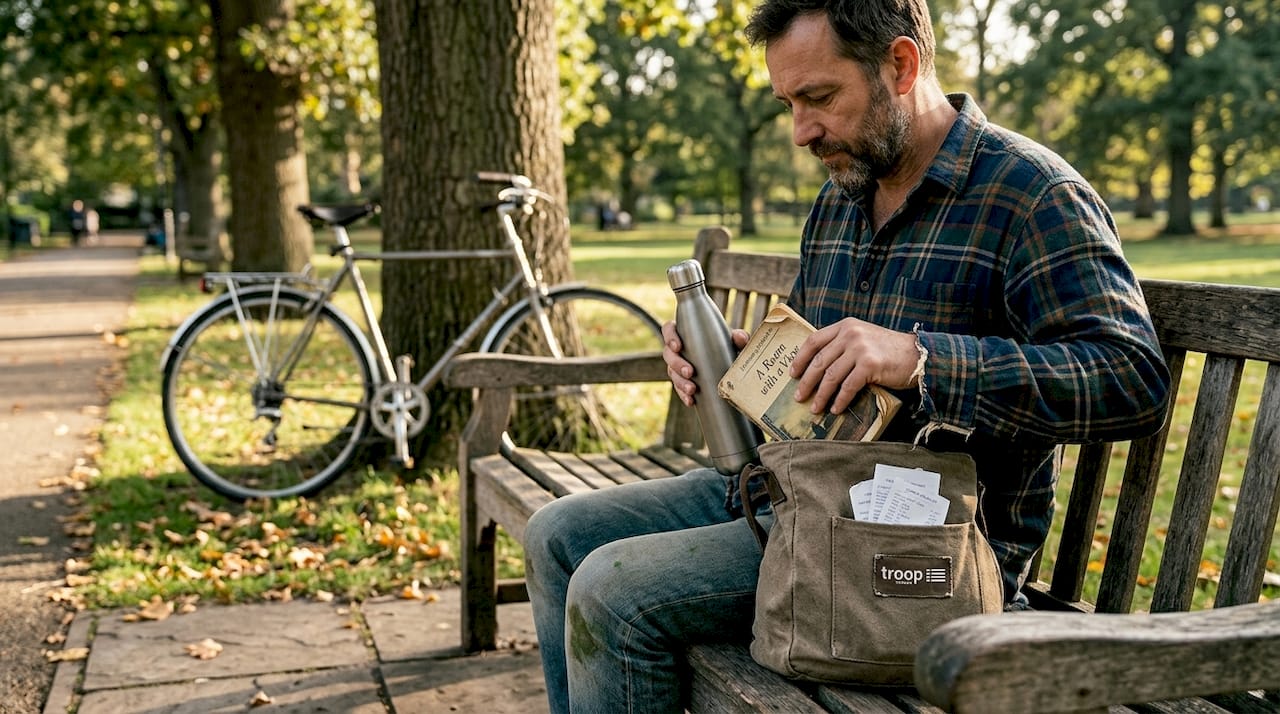
For eco-urban consumers, low break-even materials like hemp and rPET deliver the quickest environmental gains alongside strong everyday functionality.
When evaluating any bag, look for these practical features:
- Reinforced stitching at stress points such as handles and strap attachments
- Weather-resistant or waxed finishes that protect contents without synthetic coatings
- Multiple compartments for organised daily carry
- Adjustable or padded straps for comfort across different uses
- Lining made from recycled or natural materials
Pro Tip: Choose bags that blend natural aesthetics with technical upgrades. A waxed organic canvas exterior with a recycled nylon lining gives you the look of a heritage piece with the performance of a modern commuter bag.
Certifications matter too. Look for GOTS (Global Organic Textile Standard) for organic fibres, OEKO-TEX for chemical safety, and the Global Recycled Standard for recycled content. These are not just labels. They are independently verified commitments. Pairing your material choice with your lifestyle, whether that is daily commuting, weekend travel, or multi-use carry, ensures your bag works as hard as you do. You can explore functional bag styling and the role of durability in bags to refine your thinking further.
Style meets substance: Chic, durable, and practical for city life
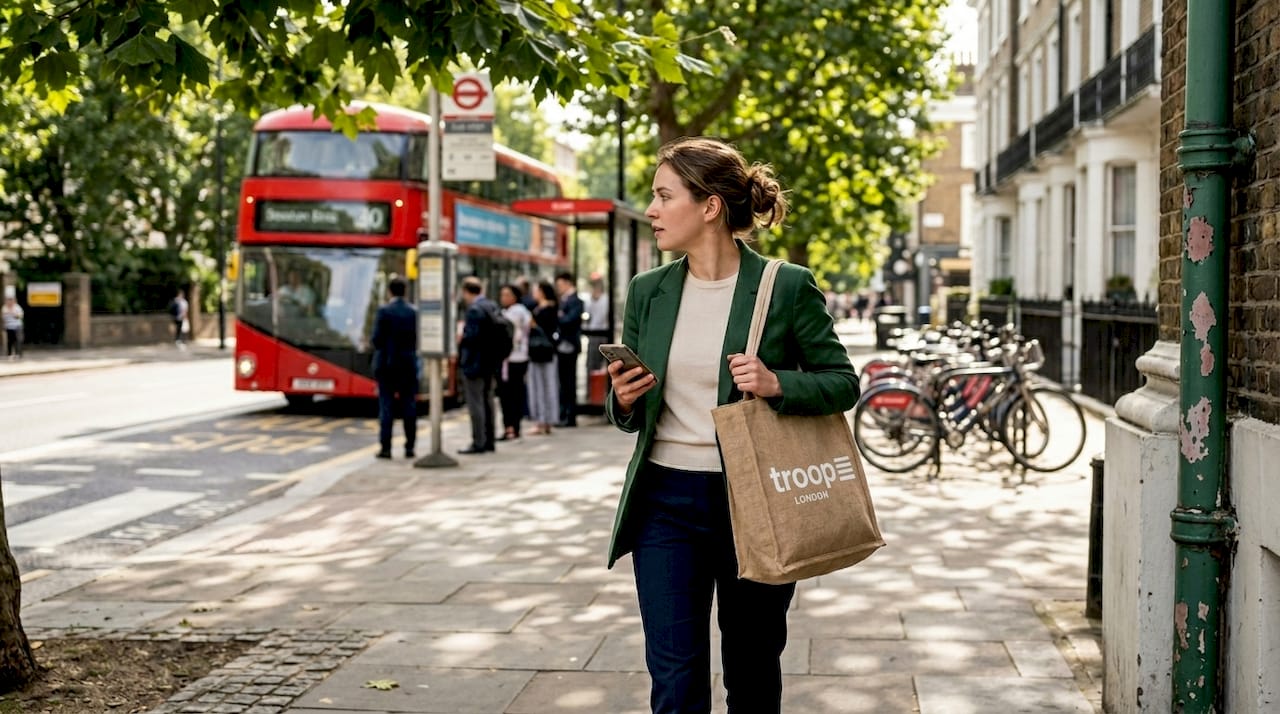
Understanding material benefits, it is time to explore how sustainability blends with city fashion and daily practicality. The assumption that eco-friendly bags look worthy but dull is simply outdated. Today’s sustainable bags are designed with the same attention to proportion, colour, and detail as anything from a mainstream fashion label. In many cases, they look better because they are built to last rather than built to trend.
When longevity is prioritised, stylish durability consistently outperforms the waste created by single-use or fast-fashion alternatives. That principle shapes how the best sustainable bags are designed.
Here is how to match your bag choice to your actual lifestyle:
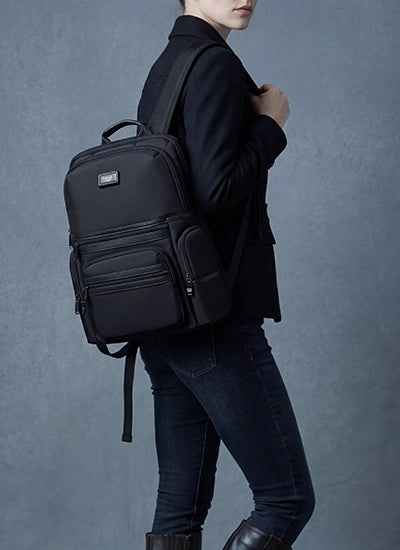
- Work and commuting: Choose a structured backpack or messenger bag with a padded laptop sleeve, water bottle pocket, and clean exterior lines that read as professional.
- Shopping and errands: A roomy tote or crossbody in waxed canvas or hemp handles daily loads while looking polished rather than utilitarian.
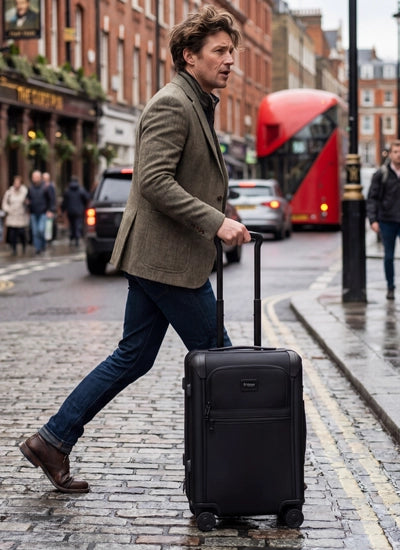
- Travel: Look for convertible designs that shift between backpack and shoulder bag, with hidden security pockets and lightweight construction.
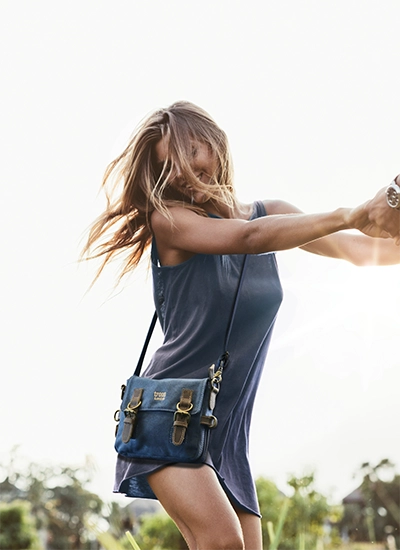
- Leisure and weekends: A relaxed canvas crossbody or small backpack pairs easily with casual outfits and keeps your hands free.
Style upgrades worth seeking out include:
- Convertible straps that allow you to wear a bag multiple ways
- Hidden interior pockets for cards, keys, and small essentials
- Minimalist hardware in brushed brass or matte black that ages gracefully
- Neutral and earthy tones that coordinate across your entire wardrobe
The invest-once approach also makes strong financial sense. A quality sustainable bag used daily for five years costs a fraction per use of a cheap bag replaced every season. Explore functional bags for everyday style and the case for investing in quality bags to see how the maths works in your favour.
Why ‘normal’ bags miss the bigger picture: Our editorial perspective
Most urban consumers, when they think about bags, focus on price, brand recognition, or trend alignment. What rarely enters the calculation is the compounding value of a single good decision made once. We think that is the biggest missed opportunity in everyday fashion.
A quality sustainable bag does not just reduce waste. It shifts your relationship with what you carry. Every time you reach for it instead of grabbing a plastic bag or replacing a worn-out fast-fashion tote, you are making a choice that compounds over years. The durable bags and fashion conversation has moved far beyond niche eco-circles. Mainstream style now recognises that repairability and longevity are markers of genuine quality.
The uncomfortable truth is that cheap, trendy bags are never a bargain. They cost you more over time, in money, in waste, and in the quiet frustration of a bag that fails you mid-commute. One well-chosen sustainable crossbody or tote, selected with real information, sets a new standard for everything you carry after it. That is not idealism. That is just good judgement.
Ready to upgrade? Find sustainable bags that suit your style
If this guide has made one thing clear, it is that choosing a sustainable bag is not a compromise. It is an upgrade in every direction: environmental impact, durability, style, and value over time.

At Troop London, you will find a curated range of urban bags crafted from organic and sustainable materials, designed for real city life. From vintage-inspired canvas backpacks to sleek crossbody bags and practical messenger styles, every piece is built with reinforced construction, thoughtful functionality, and timeless aesthetics. Whether you are commuting, travelling, or simply upgrading your daily carry, there is a sustainable option that fits your lifestyle and your wardrobe without asking you to choose between conscience and style.
Frequently asked questions
How long does it take for a sustainable bag to offset its environmental impact?
It depends on the material. Hemp offsets after 4 uses, rPET after 11, and organic cotton after 131, each compared to the impact of a single-use plastic bag.
How many plastic bags does a single reusable bag replace?
A single reusable bag can replace up to 700 plastic bags over its full lifespan, making consistent use the most impactful habit you can adopt.
What is the most eco-friendly material for a sustainable bag?
Hemp and rPET offer the lowest break-even points, making them the fastest materials for achieving a net positive environmental impact from day one of use.
Can sustainable bags be fashionable and practical for everyday use?
Absolutely. Modern sustainable bags are designed with convertible straps, weatherproofing, multiple compartments, and minimalist aesthetics that suit both professional and casual urban wardrobes.
How do I avoid greenwashing when shopping for sustainable bags?
Look for transparent lifecycle claims, independently verified certifications such as GOTS or OEKO-TEX, and detailed information about material sourcing and manufacturing practices.