
Why Invest in Quality Bags: Durable, Stylish, Sustainable
Choosing the perfect everyday bag goes far beyond picking what looks stylish on a London commute. For fashion-conscious professionals seeking both durability and sustainability, the real meaning of quality lies in fitness for purpose rather than price or trend. Common myths about expensive designer labels and material choices often lead to disappointment and clutter. This article clears up misconceptions and guides you toward canvas bags that serve your lifestyle beautifully while defending your values.
Table of Contents
- Quality Bags Defined And Common Myths
- Types Of Durable Bags For Everyday Life
- Materials, Craftsmanship And Longevity
- Sustainability And Environmental Impact
- Cost Savings And Value Over Time
Key Takeaways
| Point | Details |
|---|---|
| Quality is Defined by Fitness for Purpose | A quality bag is determined by its ability to meet your needs effectively, not by its price tag. |
| Myths Affect Purchasing Decisions | Common misconceptions, such as the belief that higher prices guarantee better quality, can lead to poor choices. |
| Durability Equals Sustainability | Investing in a durable bag reduces waste and environmental impact significantly compared to cheaper, less durable options. |
| Long-Term Value | A quality bag may have a higher initial cost but proves to be more economical over time, saving money and resources. |
Quality Bags Defined And Common Myths
When you hear the word “quality,” you probably think of something expensive or premium. But quality in bags actually means something quite specific: fitness for purpose, or how well a product meets your actual needs. A quality bag isn’t necessarily the most expensive one in the shop. It’s the one that does what you need it to do, lasts as long as you expect it to last, and looks good whilst doing it. This distinction matters enormously, because it separates actual quality from marketing hype. A designer bag that falls apart after two years isn’t quality, no matter the price tag. A well-made canvas messenger bag that carries your laptop daily for a decade, stays looking sharp, and costs less than half the price? That’s genuine quality.
Unfortunately, myths about bag quality have become so widespread that most people believe them as common sense. These misconceptions actively harm your purchasing decisions. One major myth is that “quality equals cost.” People assume a £500 handbag is automatically better than a £150 one, when the truth is far more nuanced. Price reflects brand reputation, marketing spend, and retail margins as much as actual durability. Another persistent myth is that “synthetic materials are inferior to leather.” Canvas, particularly organic canvas, can outlast many leather products when properly treated and maintained. You’ll find people swearing that only leather ages well, when the reality is that high-quality canvas develops character and patina just as beautifully. A third false belief centres on visual aesthetics: that a “quality” bag must look minimalist or trendy. Quality bags come in every style imaginable. A vintage-inspired canvas crossbody with brass hardware is just as quality-made as a sleek modern design. The myth suggests aesthetics determine quality, when they actually determine personal preference.
Perception often misrepresents reality in the way myths become accepted as fact, and bag quality suffers from exactly this problem. Many people believe that “vintage or heritage bags can’t be as good as new designs,” when classic designs have proven their worth through decades of actual use. Others think “affordable bags can’t be sustainable,” accepting the false trade-off between price and ethics. The worst myth of all? That you need multiple bags rather than one truly quality piece. This misconception drives unnecessary consumption and waste. A single well-chosen canvas bag that works for your commute, weekend activities, and travel saves money and reduces environmental impact compared to owning five mediocre bags.
Recognising these myths means you can shop with clarity. Look for bags designed with your actual lifestyle in mind, made from materials with proven durability records, and crafted by makers who stand behind their work. Consider how a bag will look and function after two years of real use, not just in a product photograph. Canvas bags specifically offer remarkable value here because they age well, they’re naturally sustainable, and they work across multiple contexts. When you understand what quality actually is—rather than what marketing tells you it should be—your investment choices become far smarter.
Pro tip: Test a bag’s quality by examining the seams, stitching density, and hardware up close; ask the retailer about material sourcing and warranty length, as brands confident in their quality are usually transparent about both.
Types Of Durable Bags For Everyday Life
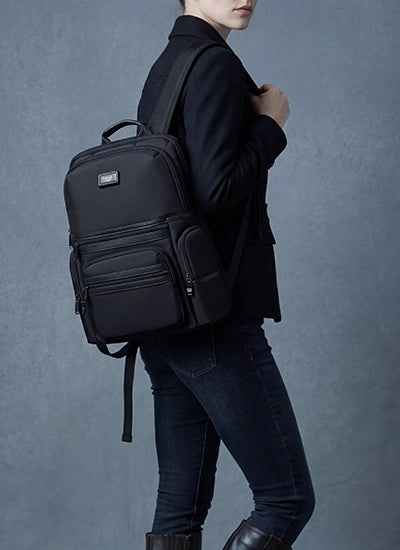
Your everyday needs demand different bags for different occasions, and understanding what each type offers helps you choose wisely. The most practical everyday bags fall into several clear categories, each designed to solve specific problems in your daily routine. A messenger bag works brilliantly for professionals commuting to the office, offering quick access to your laptop, documents, and personal items whilst keeping your hands free. A backpack distributes weight evenly across both shoulders, making it ideal for longer commutes or anyone carrying substantial loads regularly. Crossbody bags strike a balance between accessibility and comfort, sitting snugly across your torso whilst leaving your hands completely free for navigating busy London streets or managing a pram. Tote bags provide maximum capacity and work for everything from grocery shopping to transporting work materials, though they require active carrying. Each style serves a genuine purpose rather than simply looking good, which is precisely why they remain popular across decades.
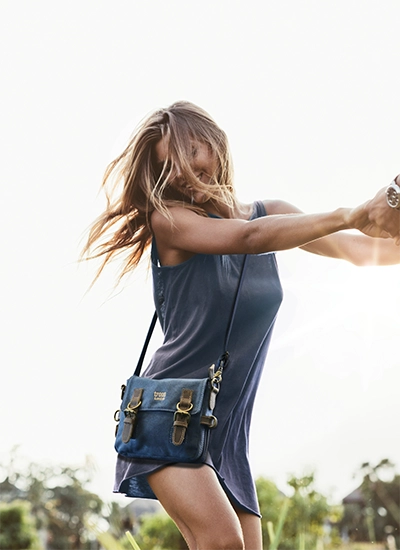
When selecting durable bags for your lifestyle, reusable alternatives outperform single-use options in both environmental impact and long-term cost effectiveness. Canvas stands out as an exceptional material for everyday durability because it withstands daily wear, develops character over time, and requires minimal maintenance compared to leather or synthetic alternatives. A quality canvas messenger bag can handle your commute for years without showing excessive wear. Canvas crossbody bags work beautifully for weekend trips, shopping expeditions, or casual outings. Heritage and vintage-inspired designs in canvas combine timeless aesthetics with remarkable functionality, meaning you’re not choosing between style and substance.
The type of bag you invest in should match your actual lifestyle rather than some aspirational version of it. Ask yourself honest questions: Do you commute by train or car? Do you work in an office or move between locations? Are you managing multiple responsibilities like childcare alongside work? A busy professional juggling meetings, client visits, and paperwork needs something entirely different from someone working primarily from home. Someone who travels frequently benefits from durable bags with thoughtful organisation compartments and reinforced handles. A parent managing school runs plus work needs reliable bags that withstand constant use and the occasional spill. Canvas bags excel across all these scenarios because they’re genuinely robust yet adaptable. A single well-chosen canvas bag often replaces three mediocre ones, saving money whilst reducing clutter.
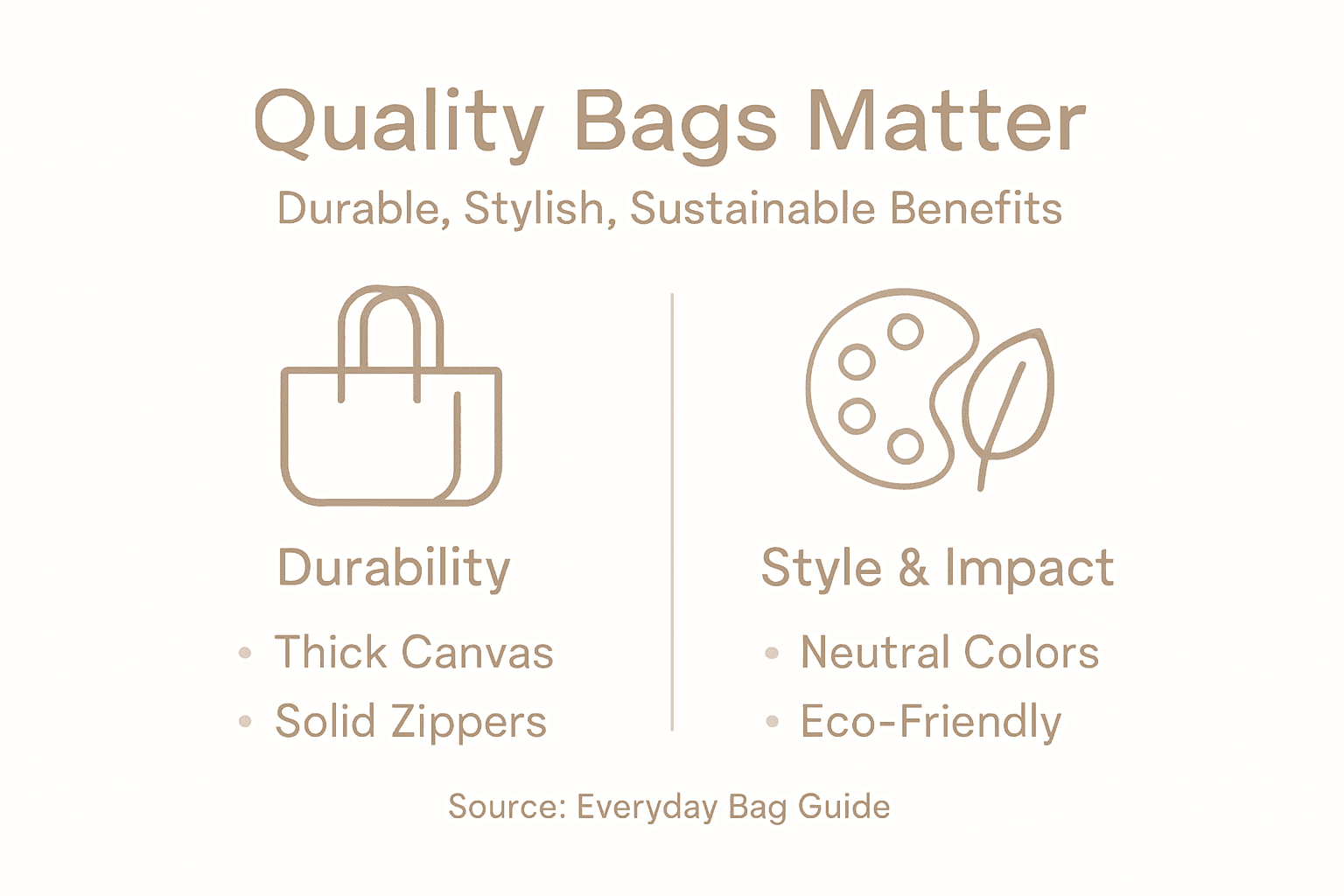
Beyond the basic types, consider practical features that distinguish truly durable bags. Look for reinforced seams using saddle stitching rather than single-pass machine stitching. Hardware matters considerably: solid brass or stainless steel hardware lasts decades, whilst cheap plastic fittings fail within months. Interior organisation with proper pockets and compartments prevents items from creating stress points that lead to tears. Handles deserve special attention; they bear your bag’s entire weight plus contents, so substantial stitching and quality materials are non-negotiable. A vintage-inspired canvas backpack with proper padding, reinforced straps, and quality hardware performs differently from a cheaply-made backpack that might look similar initially. The difference becomes obvious after six months of actual use.
Pro tip: Choose a bag type that aligns with your most frequent activity, then select one in a neutral colour that coordinates with your existing wardrobe so you’ll actually use it consistently rather than rotating through multiple bags.
Here’s how popular bag types differ in everyday practicality:
| Bag Type | Best Use Case | Carrying Comfort | Typical Lifespan |
|---|---|---|---|
| Messenger | Office/work commutes | Moderate, single strap | Up to 10 years |
| Backpack | Heavy loads, long journeys | Excellent, weight balance | 8–12 years |
| Crossbody | Urban travel, weekends | Good, hands-free | 7–10 years |
| Tote | Shopping/large items | Varies, hand-held | 5–8 years |
Materials, Craftsmanship And Longevity
The materials you choose form the foundation of how long your bag will actually last. Canvas, particularly organic canvas, represents one of the most durable options available for everyday bags because it improves with use rather than deteriorating. A canvas bag develops a subtle patina over months and years, showing character marks that prove genuine wear rather than defects. This contrasts sharply with synthetic materials that crack, peel, or fade under regular use. Leather offers longevity too, but requires consistent maintenance and investment in conditioning products to prevent cracking and drying. The honest truth is that quality canvas often outlasts mid-range leather whilst costing significantly less. What matters most is selecting materials chosen specifically for durability rather than simply for appearance or cost reduction. Brass hardware and genuine leather straps outlast plastic fittings and synthetic handles by years, sometimes decades. When a bag maker invests in proper materials throughout rather than cutting corners on hidden components, longevity follows naturally.
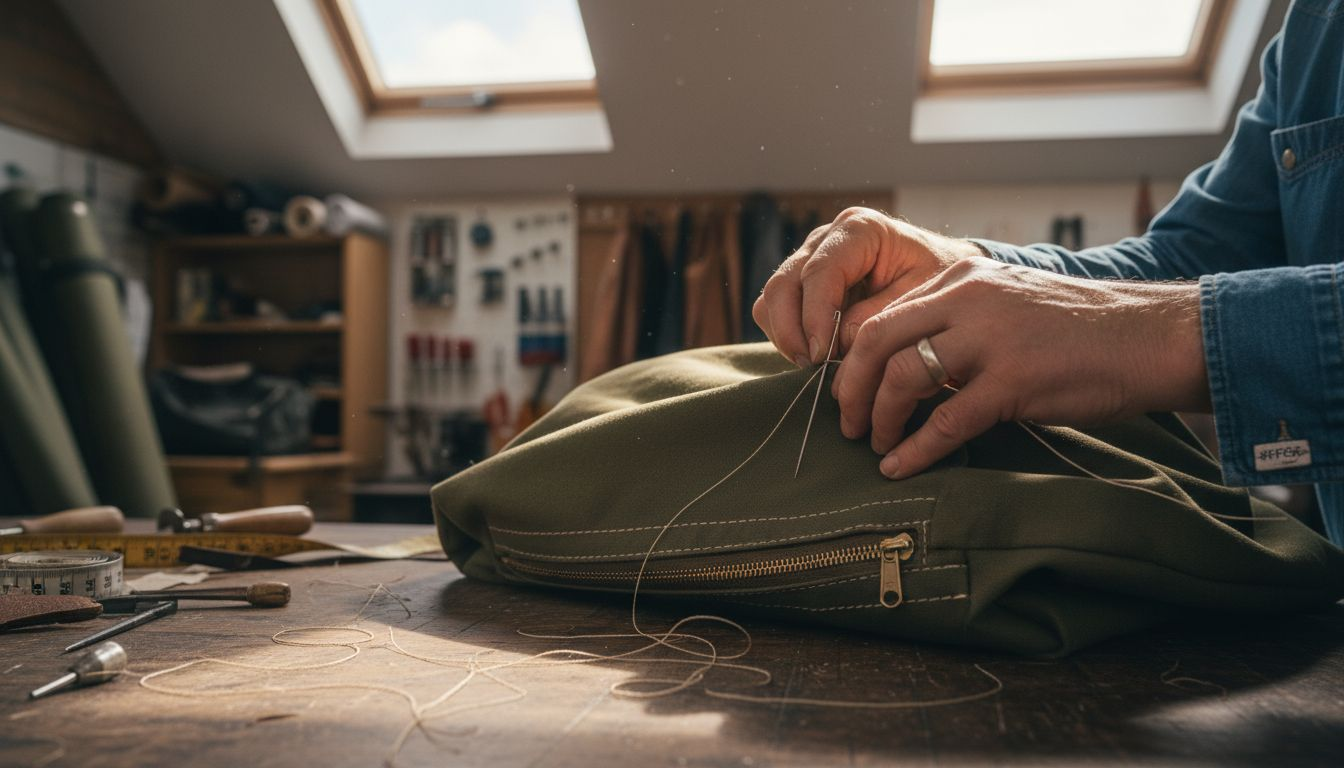
Craftsmanship determines whether those quality materials actually translate into longevity. The difference between a bag lasting five years versus fifteen years often comes down to how it was constructed. Saddle stitching, where thread passes through leather or canvas multiple times at each stitch point, creates seams that remain intact even if individual stitches break. Machine stitching applied in a single pass fails catastrophically when any stitch breaks. Hand stitching by skilled makers allows for corrections and adjustments that industrial processes cannot accommodate. British craftsmanship specifically emphasises creating products built to last through quality materials and skilled construction, supporting both ethical practices and genuine sustainability. The seams on a well-made bag should be reinforced at stress points like corners and handle attachments, where failure most commonly occurs. Looking at how a bag is constructed tells you far more about longevity than any marketing claim ever could. A maker who uses visible stitching rather than hidden seams signals confidence in their craftsmanship because the work is literally on display.
Longevity also depends on how thoughtfully a bag is designed for actual use. A bag with thin straps might look elegant but will fail under the weight of daily commuting. Interior pockets prevent items from creating stress points against the fabric, extending the bag’s life considerably. Padding in certain areas protects both the bag and its contents, preventing wear patterns that lead to tears. Design choices matter because they determine how stress distributes throughout the structure. A messenger bag with a diagonal strap distributes weight differently than one with a single shoulder strap, affecting which areas deteriorate fastest. Craftsmanship means anticipating these real-world stresses and building the bag to withstand them. Some makers incorporate reinforcement strips at attachment points, dramatically extending the bag’s functional life. Others leave these areas vulnerable, accepting higher failure rates as a trade-off for lower production costs. You cannot separate material quality, construction quality, and thoughtful design when assessing longevity. All three work together to create bags that genuinely last.
Understanding material safety also contributes to longevity and value. Chemical substance regulations ensure materials used in bags meet safety standards, meaning bags made under proper guidelines have been tested for durability and safety. This regulatory oversight exists because materials containing certain chemicals deteriorate faster or pose health risks. Makers who source materials responsibly invest in products that perform better and last longer. Canvas treated with proper finishing processes resists water damage and staining without toxic chemicals. Brass hardware naturally resists corrosion without requiring protective coatings that might flake or wear away. When a maker invests in materials that are both safe and genuinely durable, you benefit through a bag that functions beautifully for years. Cheap alternatives might cut corners on chemical safety, resulting in materials that degrade faster or require frequent replacement. The investment in quality materials, skilled craftsmanship, and thoughtful design compounds over time as your bag performs reliably year after year.
Pro tip: Examine the stitching closely before purchasing, looking for reinforced seams at stress points and even stitch spacing throughout; bags with visible, consistent stitching generally outlast those with hidden or machine-rushed seams by several years.
Sustainability And Environmental Impact
Investing in a single quality bag reduces your environmental footprint far more effectively than purchasing multiple cheap alternatives. When you buy a bag that lasts a decade, you eliminate the need for ten replacements over that same period. Each replacement means additional raw materials extracted, production energy consumed, transportation emissions generated, and waste created when the previous bag fails. The mathematics are straightforward: one durable bag beats ten disposable ones every time. Canvas bags specifically offer exceptional environmental advantages because organic canvas production uses significantly fewer chemicals than synthetic materials and requires less processing than conventional cotton. Brass hardware resists corrosion naturally without requiring protective coatings that degrade and pollute. When a bag is designed to last, sustainability becomes automatic rather than relying on complicated recycling systems. This reality makes durability the single most important environmental choice you can make as a consumer.
The production process behind bags carries real environmental consequences that quality manufacturing minimises. Conventional bag production often involves resource-intensive dyeing, chemical treatments, and water-heavy processing. Environmental impacts of consumption including deforestation, water pressure, and pollution link directly to production and use of products like bags, making material choices genuinely consequential. A maker using organic canvas eliminates pesticide runoff and reduces water consumption compared to conventional cotton production. Quality producers typically source materials from suppliers who follow strict environmental standards, ensuring that the bag you purchase doesn’t represent hidden ecological damage elsewhere in the supply chain. This contrasts sharply with fast fashion bags produced under minimal environmental oversight. The difference is not merely technical or abstract; it reflects real water saved, real pollution prevented, and real ecosystems protected. When you choose a bag made from responsibly sourced organic materials using sustainable production methods, you directly support these better practices. The manufacturer receives stronger market signals encouraging continued investment in sustainable processes.
End-of-life considerations matter significantly for environmental impact. A bag that lasts fifteen years versus three years eliminates the need for four additional bags reaching landfill or requiring recycling processing. Canvas, being a natural fibre, biodegrades without releasing microplastics or persistent chemicals into soil and waterways, unlike synthetic bags that fragment into harmful particles over decades. Recyclability assessment methodologies ensure packaging including bags are evaluated for environmental impact and waste minimisation, reflecting regulatory recognition that what happens after a product’s useful life matters. When a canvas bag finally reaches the end of its life, you can compost it entirely or pass it to someone else for further use. Many vintage canvas bags circulate through second-hand markets for decades, multiplying their environmental value. Synthetic bags, even if technically recyclable, often end up in landfill because recycling infrastructure remains limited and the process itself consumes significant energy. By choosing durable canvas bags, you sidestep these end-of-life problems entirely.
The sustainable choice also reflects on your values as a consumer. Brands making genuine quality bags typically demonstrate commitment to environmental responsibility throughout their operations, not merely in marketing claims. They invest in sustainable material sourcing, ethical labour practices, and minimal waste production. These commitments cost more, which explains why quality bags cost more than disposable alternatives. When you purchase a quality bag, you fund companies taking these environmental responsibilities seriously. Your spending becomes a vote for better practices across the entire industry. Conversely, purchasing cheap bags that fail quickly signals demand for disposable goods, encouraging manufacturers to prioritise short-term profits over long-term environmental stewardship. The environmental case for quality bags isn’t complicated: durability equals sustainability. A beautiful canvas bag you use for a decade beats five trendy synthetic bags that end in landfill within three years, regardless of any recycling claims attached to the cheap options.
Pro tip: Choose canvas bags in neutral colours like navy, charcoal, or natural beige that coordinate with multiple outfits, ensuring you’ll actually use the bag consistently rather than retiring it after a season in favour of something trendier.
Cost Savings And Value Over Time
The upfront price of a quality bag often stings. A £200 canvas messenger bag feels expensive when you spot a synthetic alternative for £40. But this comparison ignores the fundamental economics of durability. That £40 bag fails within eighteen months, forcing you to replace it. The £200 bag functions beautifully for ten years. Over a decade, you purchase five cheap bags at £40 each, spending £200 total whilst ending with landfill waste. The quality bag costs the same but delivers a decade of reliable service and remains usable afterwards. This mathematics becomes even more compelling across longer timeframes. Someone investing in quality bags from age twenty-five onwards spends less money over forty years than someone perpetually replacing cheap alternatives. Value derives from benefits delivered relative to cost, making durable products that deliver long-term benefits genuinely cost-effective despite higher initial price tags. Quality bags represent precisely this type of investment: higher entry cost, dramatically lower total cost of ownership.
Beyond simple purchase price calculations, quality bags eliminate hidden costs that cheap alternatives accumulate. A bag with thin straps fails under daily weight, requiring replacement. A bag with poor stitching develops leaks when caught in rain, potentially damaging your laptop or phone, costing hundreds in device replacement. A bag with flimsy hardware loses its closure mechanism, rendering it useless for secure carrying. A bag with cheap materials stains permanently or develops odours that survive washing. These failures cascade into unexpected expenses. You might invest in protective covers, conditioning treatments, or device insurance to mitigate risks from unreliable bags. A quality bag avoids these problems entirely, eliminating costs most people never consciously recognise. Reusable bags for life provide genuine cost savings by reducing frequent replacement needs compared to disposable alternatives, a principle extending well beyond simple grocery shopping. The same logic applies to every bag type. A quality backpack never needs replacement strap repairs. A quality crossbody bag never develops rust or hardware failure. A quality tote bag never loses shape or develops permanent stains. These avoided problems accumulate into substantial savings across a bag’s lifespan.
The financial advantage compounds when you consider opportunity costs. Time spent shopping for replacement bags, researching new options, and managing failed bags represents genuine expense. A professional earning £25 per hour spends five hours shopping for replacement bags over a decade. That’s £125 in opportunity cost alone, not including the mental energy and frustration involved. Quality bags eliminate this entire expense category. You purchase once, use confidently for years, and never revisit the decision. This frees mental and financial resources for activities that actually matter. Beyond personal economics, quality bags maintain resale value in ways cheap bags never do. A vintage canvas bag in good condition often sells for 40 to 60 percent of original purchase price on secondary markets. If you eventually upgrade, that £200 bag potentially sells for £80 to £120, reducing your net investment to £80 to £120 over a decade of use. Cheap bags have zero resale value because they deteriorate visibly and nobody wants defective goods. This additional cash recovery further improves the financial case for quality investments.
Calculating true value requires thinking beyond immediate purchase price. Construct a simple mental comparison: How many cheap bags would you need to match one quality bag’s lifespan? Multiply that number by the cheap bag’s cost. Add in replacement time, failed trips, and device damage from unreliable bags. Compare that total to a single quality bag’s price. The quality option consistently wins financially. For professionals aged twenty-five to forty managing active daily lives, this financial advantage matters substantially. Every pound spent on quality bags is a pound not available for other priorities. Investing wisely means choosing bags that deliver decades of reliable service rather than perpetual replacement cycles. This isn’t about luxury or status; it’s about economic rationality. A £200 bag that lasts ten years costs £20 per year. A £40 bag lasting eighteen months costs £26.67 per year. The quality bag is objectively cheaper once you account for actual usage duration. Add in avoided problems, opportunity costs, and potential resale value, and quality bags become financial no-brainers.
Pro tip: Calculate your bag’s actual cost per month of use by dividing purchase price by expected lifespan in months; bags costing less than £5 per month represent exceptional value and justify premium initial investment.
See how initial costs translate to long-term value for different bag choices:
| Bag Type | Purchase Price | Approximate Lifespan | Cost Per Year | Resale or Recovery Value |
|---|---|---|---|---|
| Canvas Messenger | £200 | 10 years | £20 | £80–£120 when resold |
| Synthetic Tote | £40 | 1.5 years | £26.67 | No resale value |
| Leather Backpack | £300 | 15 years | £20 | £100–£180 when resold |
Discover Quality That Lasts with Troop London
The article highlights the challenge of finding a bag that truly balances durability, style, and sustainability while meeting your everyday needs. Many struggle with expensive, short-lived bags or cheap alternatives that fail quickly and harm the environment. At Troop London, we understand that investing in a bag should mean choosing a timeless design made from organic canvas and crafted with care to withstand daily wear and tear. Our collections like Classic, Heritage, and Urban reflect this commitment, providing options that grow with you and reduce waste.

Explore the difference that genuine craftsmanship and functional design make by browsing our durable messenger bags, backpacks, and crossbody bags. Make a smart investment today and enjoy reliable, stylish accessories made to last a lifetime. Visit Troop London to find the perfect bag that matches your lifestyle and values. Your journey towards sustainable quality starts here at Troop London – where style meets longevity.
Frequently Asked Questions
What defines a quality bag?
A quality bag is determined by its fitness for purpose, meaning it meets your specific needs, lasts for an expected duration, and maintains its aesthetic appeal without necessarily being expensive.
How can I determine the durability of a bag before purchasing?
Examine the seams, stitching density, and hardware closely. Ask about the materials used and the warranty length, as brands that are confident in their quality usually provide transparency about both.
Why are canvas bags considered sustainable options?
Canvas bags, especially organic canvas, require fewer chemicals during production and are biodegradable, reducing their environmental impact compared to synthetic alternatives that can take decades to decompose.
What are the financial benefits of investing in a quality bag?
Investing in a quality bag saves you money over time, as it lasts much longer than cheaper alternatives, thus reducing the need for replacements. Additionally, quality bags can have resale value, further enhancing your overall return on investment.