
Minimalist bags: durability, style and sustainability 2026
Many people confuse minimalist with simple or basic, but minimalist bags are about smart design and durable, sustainable materials that work hard every day. This guide explains the construction process and material choices that ensure style, function, and eco-friendliness. You’ll learn how to identify quality minimalist bags suited for everyday use in 2026, from design principles to life cycle sustainability.
Table of Contents
- Understanding Minimalist Bag Design: From Concept To Construction
- Materials Matter: Comparing Leather, Vegan Leather And Canvas Durability
- Engineering Durability: Construction Techniques That Ensure Longevity
- Sustainability In Minimalist Bags: Beyond Materials To The Full Life Cycle
- Discover Sustainable Minimalist Bags At Troop London
- Frequently Asked Questions
Key takeaways
| Point | Details |
|---|---|
| Design foundation | Manufacturing decisions crucially affect bag durability and everyday function. |
| Material differences | Leather, vegan leathers, and canvas vary significantly in durability and sustainability profiles. |
| Sustainability complexity | True sustainability depends on full life cycle analysis, not just labels like ‘vegan’ or ‘eco-friendly’. |
| Construction quality | High-quality stitching and reinforcements extend bag life, reducing environmental impact. |
| Informed choice | Balancing style, durability, and eco-conscious criteria requires understanding materials and construction. |
Understanding minimalist bag design: from concept to construction
Great minimalist bags don’t happen by accident. Design begins with defining purpose and audience, aligning form and function before a single stitch appears. Manufacturers consider who will carry the bag, where it goes, and what it holds. This intentional foundation prevents the style-over-substance trap common in mass production.
Mood boards and sketches communicate every detail. A good sketch clarifies stitching details, pocket placement, and dimensions so manufacturers understand exactly what to build. Deconstruction breaks down the bag into individual parts and construction steps, improving manufacturing quality by revealing potential weak points early. This systematic approach ensures durability in bag design becomes engineered rather than accidental.
The design process follows these core steps:
- Define the bag’s primary purpose and target user profile
- Create mood boards collecting style inspiration and functional references
- Sketch detailed views showing dimensions, stitching, and hardware placement
- Deconstruct the design into panels, seams, and assembly sequence
- Select appropriate materials matching durability and aesthetic requirements
Manufacturers evaluate silhouette, panel topology, carry systems, and internal architecture. Opening mechanisms affect daily usability. A poorly engineered zip can fail within months, whilst reinforced magnetic closures endure years. Carry systems distribute weight across shoulders or hips, preventing strap tearing at attachment points.
Pro Tip: Check where straps attach to the bag body. Quality minimalist bags reinforce these stress points with doubled fabric, bar tacks, or metal rivets rather than simple stitching alone.
Choosing the right reinforcement strategies affects bag longevity dramatically. Manufacturers place extra layers at corners, base edges, and handle attachment points. These small details separate bags that last a season from those serving you for years.
Materials matter: comparing leather, vegan leather and canvas durability
Material choice shapes everything about your minimalist bag’s performance. The question isn’t which material is ‘best’ but which suits your priorities for durability, sustainability, and style. Let’s examine the evidence.
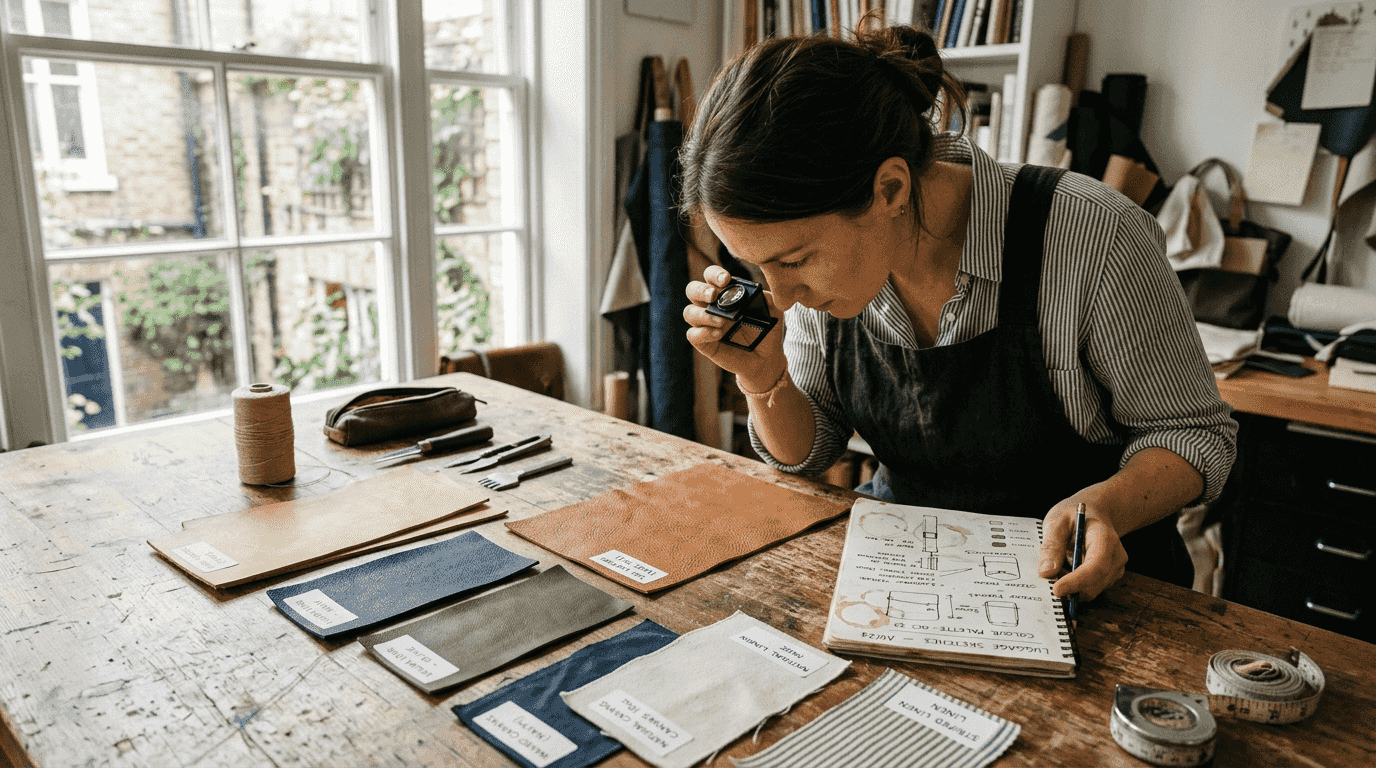
High-quality PU vegan leather demonstrates good scratch resistance with only minor surface scuffs after six months of daily use. This polyurethane-based material offers genuine resilience for everyday wear. However, PVC vegan leather shows poor scratch resistance and cracks after similar timeframes, impacting bag longevity significantly.
Canvas presents a different durability profile. Canvas bag strength correlates directly to weave density, with heavy-duty ‘Duck’ canvas providing exceptional strength for minimalist designs. Tight weaves resist tearing and abrasion better than loose constructions. Premium canvas ages beautifully, developing character whilst maintaining structural integrity.
| Material | Scratch Resistance | Water Resistance | Longevity | Maintenance |
|---|---|---|---|---|
| High-grade PU leather | Good | Moderate | 3-5 years | Wipe clean |
| PVC leather | Poor | Good | 1-2 years | Wipe clean |
| Duck canvas | Excellent | Varies | 5-10 years | Spot clean |
| Real leather | Excellent | Moderate | 10+ years | Condition regularly |
Leather remains a classic durable option but raises ethical and sustainability concerns. The tanning process consumes significant water and chemicals. Vegetable-tanned leather reduces environmental impact but increases production time and cost. When comparing leather vs canvas bags, consider your entire usage context.
Understanding vegan bag materials reveals diversity within this category:
- PU vegan leather offers flexibility and moderate durability at accessible prices
- Recycled polyester reduces petroleum dependence whilst maintaining strength
- Bio-based leathers made from mushrooms or cacti show promise but remain niche
- Cork and pineapple leathers provide unique textures with varying durability profiles
Pro Tip: Run your thumbnail across a vegan leather sample. High-quality PU bounces back with minimal marking, whilst PVC shows permanent indentation or cracking. This simple test reveals material quality before purchase.
Material choice deeply influences bag performance, style, and environmental impact. Your decision should align with how you’ll actually use the bag rather than abstract ideals about ‘best’ materials.
Engineering durability: construction techniques that ensure longevity
Materials provide potential, but construction determines reality. A premium canvas bag with poor stitching fails faster than budget leather with expert reinforcement. Understanding these techniques helps you evaluate quality before buying.
“Durability is an engineered outcome, resulting from precise fabric density, stitch architecture, and reinforcement methods.”
This engineering perspective reveals why two similar-looking bags perform differently. Six manufacturing decisions influence strength: silhouette and volume control, panel topology, opening system, carry system and load path, internal architecture, and edge and seam finishing. Each decision creates either a weak point or a strength multiplier.
Fabric density and stitch quality are key technical drivers. Thread thickness must match fabric weight. Too thin, and seams tear under load. Too thick, and holes weaken the material. Quality manufacturers balance these variables precisely. Double or triple stitching at stress points prevents early failure.
Reinforcement at stress points separates excellent bags from adequate ones:
- Bar tacking at strap attachment points distributes tension across wider areas
- Doubled fabric layers at corners prevent tearing when bags bump surfaces
- Metal rivets anchor heavy-duty components beyond stitching alone
- Gusset reinforcements maintain bag shape under variable loads
Panel topology affects both sewing complexity and structural efficiency. Fewer seams mean fewer potential failure points, but strategic seaming allows shape control. The bag durability techniques manufacturers choose reflect their priorities between cost efficiency and longevity.
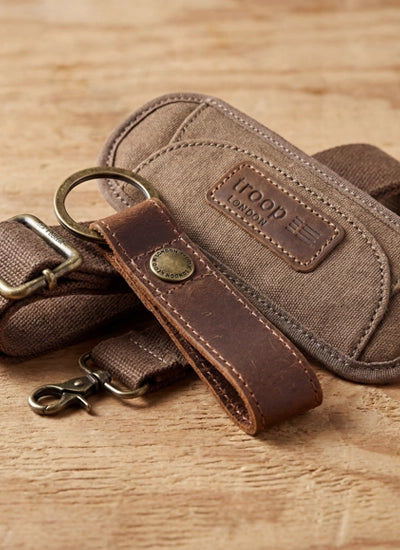
Carry systems deserve special attention. Straps that attach directly to thin fabric tear quickly. Quality designs incorporate webbing loops sewn into seams, distributing weight across multiple connection points. Padded straps prevent cutting into shoulders whilst maintaining structural integrity.
Pro Tip: Flip the bag inside out and examine seam finishing. Raw edges fray over time, but bound or folded seams stay intact. French seams or flat-felled construction indicate commitment to longevity.
Internal architecture matters more than most buyers realise. Structured bases prevent sagging that stresses seams. Internal pockets keep items organised, reducing movement that wears fabric from inside. Understanding bag material durability includes these hidden construction details.
Quality construction mitigates typical failure modes. Strap tearing happens when attachment points lack reinforcement. Base bursting occurs when weight concentrates on weak seams. Zip failure results from inadequate backing tape. Manufacturers who understand these mechanisms build bags that sidestep predictable problems.
Sustainability in minimalist bags: beyond materials to the full life cycle
Sustainability sounds simple but proves complex in practice. A ‘vegan’ label doesn’t automatically mean eco-friendly, and leather isn’t inherently unsustainable. You need to examine the full picture.
Sustainable fabrics minimise negative impact over their entire life cycle, from design through disposal. This means assessing raw material extraction, production processes, transport emissions, usage phase durability, and end-of-life options. Single-factor analysis misleads.
The life cycle stages break down as follows:
- Raw material extraction and processing environmental costs
- Manufacturing energy consumption, water use, and chemical inputs
- Transport emissions from factories to retailers to consumers
- Usage phase durability determining replacement frequency
- Disposal or recycling options and associated environmental loads
Many shoppers misunderstand ‘vegan’ as automatically sustainable. Environmental profiles vary wildly between vegan materials. PVC production releases toxic dioxins. Some PU manufacturing uses petroleum-derived inputs. Bio-based alternatives might require intensive agriculture. Ethical vegan handbags can exist, but the label alone doesn’t guarantee it.
“True next-generation bio leathers account for less than 1% of the market.”
This statistic reveals the gap between marketing claims and material reality. Most ‘vegan leather’ remains synthetic petroleum-based material, not innovative plant-based alternatives. Understanding this context prevents greenwashing from influencing your choices.
| Material | Production Impact | Durability | End of Life | Overall Sustainability |
|---|---|---|---|---|
| PVC vegan leather | High (toxic emissions) | Low | Non-recyclable | Poor |
| PU vegan leather | Moderate | Moderate | Limited recycling | Fair |
| Organic cotton canvas | Low-moderate | High | Biodegradable | Good |
| Recycled polyester | Low (reuses waste) | High | Recyclable | Good |
| Vegetable-tanned leather | Moderate-high | Very high | Biodegradable | Fair-good |
Buying fewer, better-made bags with durable materials reduces overall environmental footprint more effectively than choosing cheap ‘eco-friendly’ bags requiring frequent replacement. A canvas bag lasting ten years outperforms three short-lived alternatives made from recycled materials. Longevity trumps material origin in many scenarios.
Selecting sustainable bag materials requires understanding full life cycle impacts, not just marketing claims. Ask manufacturers about their production processes. Research material certifications. Consider how long you’ll realistically use the bag. Sustainability emerges from these comprehensive evaluations, not single-factor decisions.
Next-generation bio leathers show promise but remain niche. Mycelium leather, cactus leather, and apple leather offer innovative alternatives with lower environmental footprints. As production scales up and costs decrease, these materials may become mainstream options for genuinely sustainable minimalist bags.
Discover sustainable minimalist bags at Troop London
Now you understand what makes minimalist bags durable and sustainable, you’re ready to make informed choices. Troop London offers carefully curated collections balancing style, longevity, and environmental responsibility.

Our canvas and vegan leather bags exemplify the design principles and construction techniques discussed throughout this guide. We prioritise reinforced stitching, quality materials, and timeless aesthetics that serve you for years. Every bag reflects our commitment to functional minimalism without compromising durability.
Explore our sustainable bags collection to find versatile designs suited for professionals and students alike. Our ethical vegan handbags guide helps you understand material choices, whilst our durability insights reveal construction details that extend bag life. Choosing Troop means investing in quality that lasts, reducing replacement cycles and supporting eco-conscious fashion.
Frequently asked questions
What makes a bag truly minimalist?
Minimalist bags emphasise clean lines, functional design, and versatile use without unnecessary decorative elements. They focus on carrying essentials efficiently whilst maintaining aesthetic simplicity. The design philosophy prioritises purpose over ornamentation, creating bags that work seamlessly across multiple contexts from professional to casual settings.
Are vegan leather bags always more sustainable than real leather?
Not necessarily. Sustainability varies significantly by vegan leather type and manufacturing process. PVC vegan leather has poor environmental profiles, whilst bio-based alternatives can be genuinely sustainable. Real leather’s environmental cost depends on tanning methods and animal husbandry practices, but exceptional durability can offset initial impacts. Full life cycle analysis matters more than simple material categories.
How can I tell if a minimalist bag is durable enough for daily use?
Look for reinforced stitching at stress points, quality materials like high-grade PU or tightly woven canvas, and sturdy hardware that operates smoothly. Examine strap attachment points for bar tacking or rivets rather than simple stitching. Check seam finishing inside the bag for bound or folded edges. Understanding these durability signs helps you evaluate construction quality before purchasing.
Does canvas require special care to maintain durability?
Canvas needs minimal maintenance but benefits from occasional spot cleaning and avoiding prolonged water exposure unless treated. Heavy-duty canvas naturally resists everyday wear, developing character over time. Keep bags away from sharp objects that might snag the weave. Periodic reproofing with waterproofing spray extends weather resistance for outdoor use.
How long should a quality minimalist bag last with daily use?
Quality minimalist bags with proper construction should last three to five years minimum with daily use, often much longer. Premium canvas bags can serve you for a decade or more. Lifespan depends on material choice, construction quality, load carried, and care practices. Bags experiencing daily heavy loads wear faster than those carrying lighter items, but reinforced designs handle demanding use remarkably well.
Recommended
- Role of Durability in Bags: Impact on Everyday Style
- What makes a bag versatile: style, durability and sustainability
- Embrace Sustainable Fashion: Eco-Friendly Bags in the UK
- The Messenger Bag in the UK: History, Fashion & Future
- premium eyewear accessories - Stylish & Practical Solutions – 4 VISION