
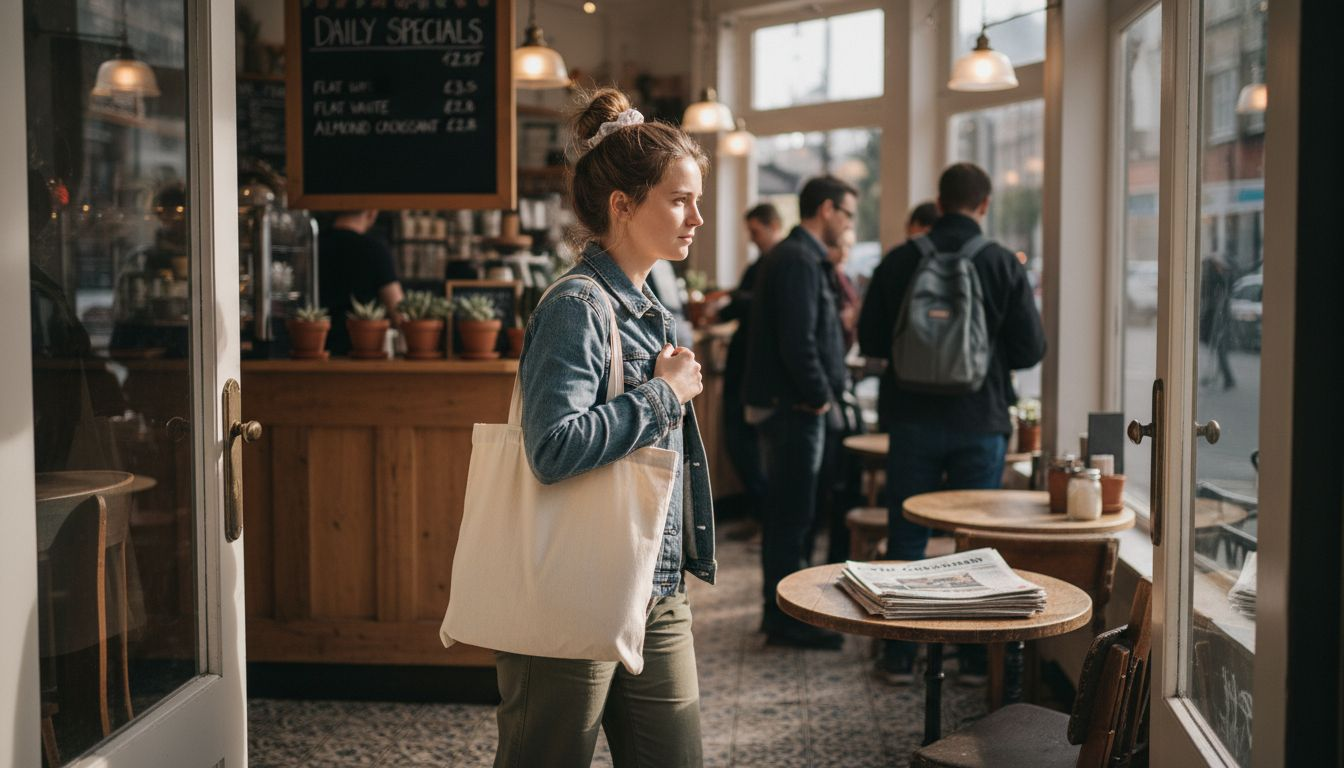
What Is Canvas Bag? Why Style Meets Purpose
Over 90 percent of British consumers now factor environmental impact into their shopping choices. Choosing a canvas bag isn’t just about style, it is a signal of commitment to durability and sustainability in everyday life. For eco-conscious and fashion-savvy individuals seeking a balance between resilience and design, understanding why canvas stands out among other bag materials is the key to making responsible decisions that last.
Table of Contents
- Canvas Bag Defined: Materials And Core Uses
- Key Types: Backpacks, Crossbody, Messenger Bags
- Benefits Of Canvas: Durability And Sustainability
- Comparing Canvas And Other Bag Materials
- Caring For Canvas Bags: Longevity And Upkeep
Key Takeaways
| Point | Details |
|---|---|
| Canvas Bags Are Durable | Made from tightly woven natural fibres, canvas bags resist wear and tear, making them a long-lasting alternative to synthetic materials. |
| Sustainable Option | Canvas bags reduce environmental waste by offering a durable, biodegradable solution compared to single-use plastic. |
| Variety of Styles Available | Different types of canvas bags, such as backpacks, crossbody, and messenger bags, cater to specific carrying needs and preferences. |
| Proper Care Extends Lifespan | Gentle cleaning and timely repairs will help maintain the structural integrity and appearance of canvas bags over time. |
Canvas Bag Defined: Materials and Core Uses
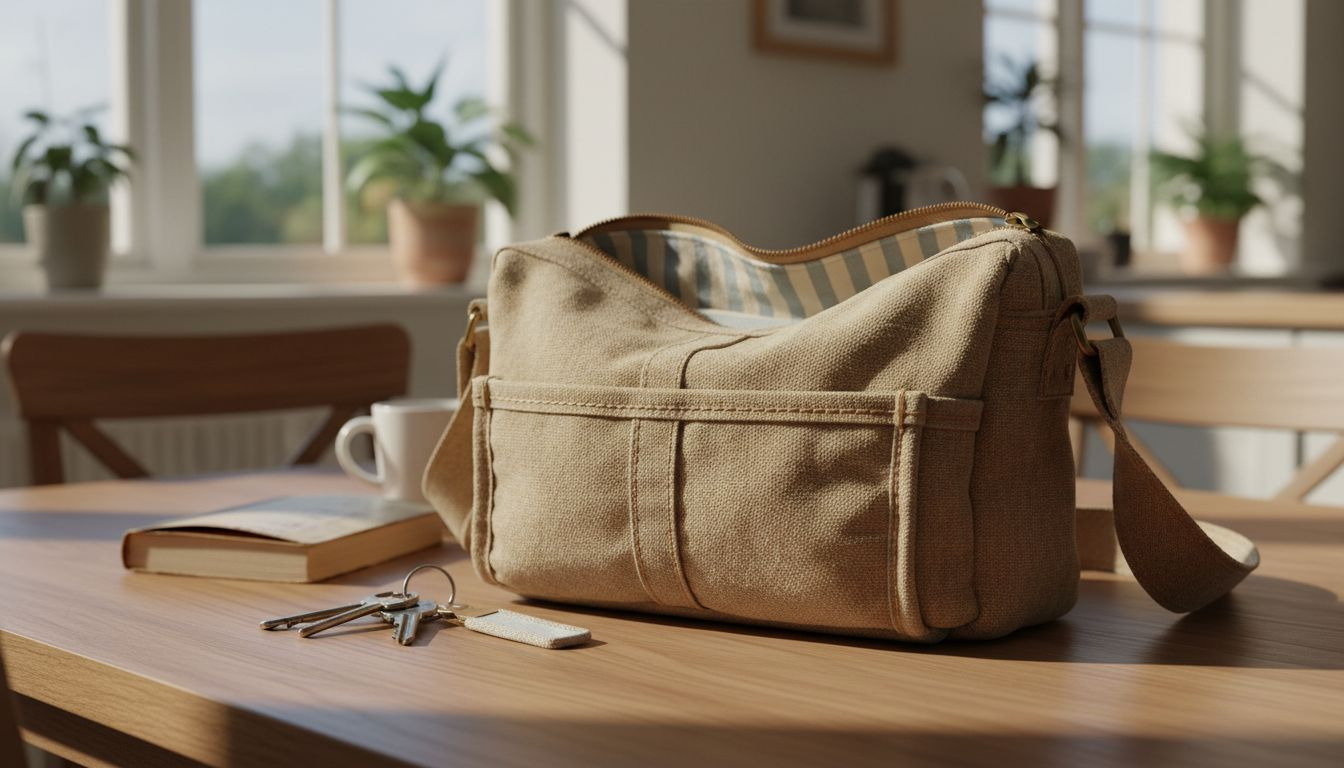
A canvas bag represents a robust textile solution crafted from a durable plain-woven fabric traditionally manufactured from natural fibres like cotton or linen. Robust textile characteristics enable these bags to withstand significant wear and tear while maintaining structural integrity across numerous applications.
The material’s fundamental strength derives from its distinctive weaving technique, which creates a dense, tightly interlaced fabric capable of supporting substantial weight. Canvas bags are renowned for their versatility, serving purposes ranging from everyday shopping and leisure activities to professional and industrial contexts. Unlike synthetic alternatives, natural canvas offers breathability, environmental sustainability, and a characteristically rugged aesthetic that appeals to conscientious consumers.
Typically, canvas bags are constructed using heavyweight cotton or linen threads woven in a plain or twill pattern, which contributes to their exceptional durability. Storage and carrying utility makes these bags particularly valuable across multiple domains. Their resistance to tearing and ability to maintain shape under stress distinguishes them from lighter textile options.
Pro tip: When selecting a canvas bag, examine the weave density and thread count, as these factors directly influence the bag’s overall strength and longevity.
Key Types: Backpacks, Crossbody, Messenger Bags
Canvas bags offer distinctive styles that cater to different functional needs, with three primary types dominating the market: backpacks, crossbody bags, and messenger bags. Canvas bag variations represent unique solutions for diverse carrying requirements, each designed with specific user experiences in mind.
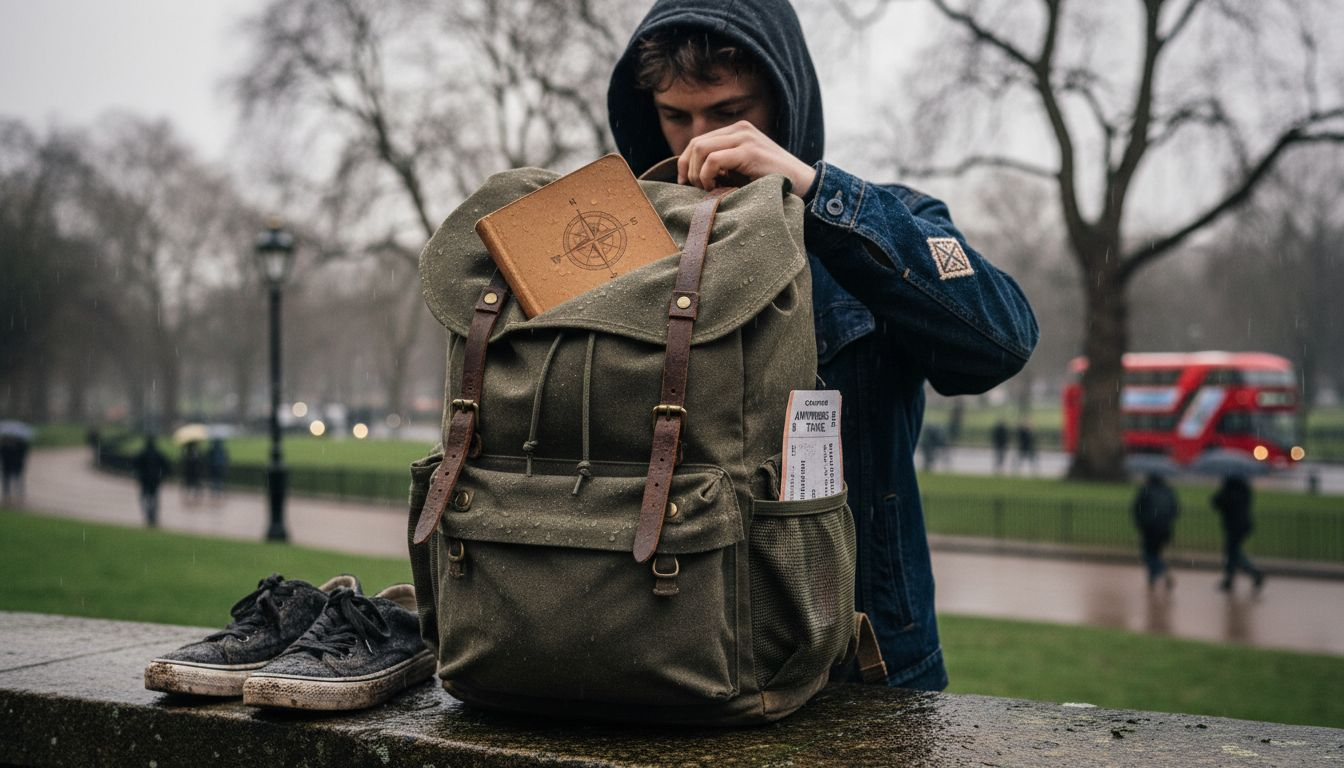
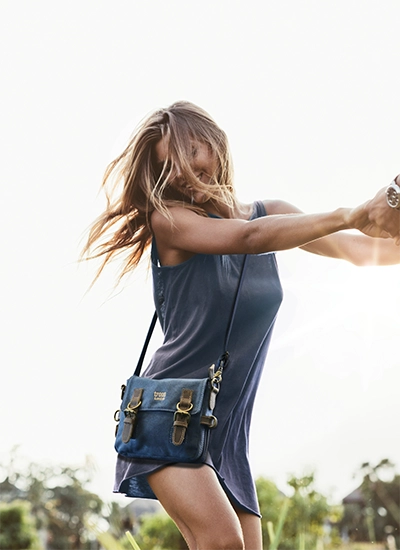
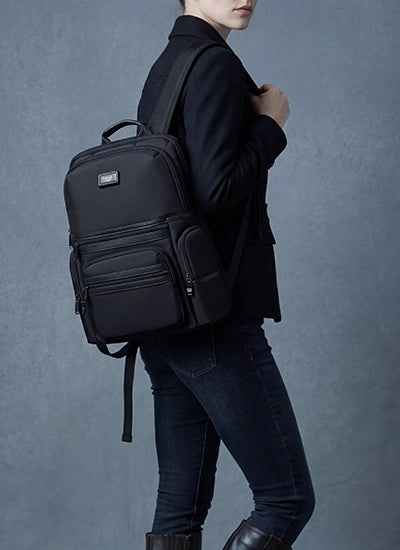
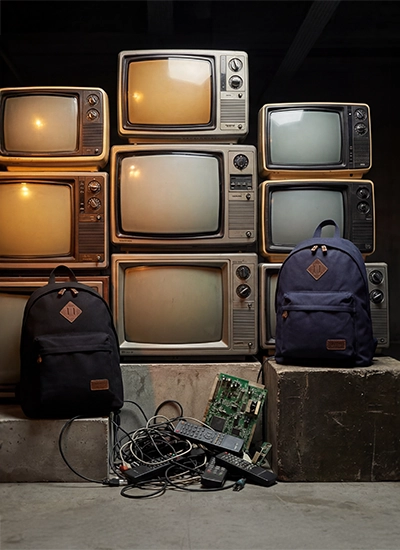
Backpacks emerge as the most versatile option, providing substantial carrying capacity with balanced weight distribution across both shoulders. Typically featuring multiple compartments and padded straps, they excel in scenarios demanding significant storage—from school and university environments to outdoor adventures and professional commuting. Crossbody bags, by contrast, prioritise mobility and style, featuring a single adjustable strap that allows wearers to keep essential items close while maintaining hands-free convenience.
Messenger bags represent a sophisticated urban solution, originally developed for couriers but now embraced by professionals and creatives alike. Functional design differences highlight their distinctive characteristics: typically featuring a wide, rectangular shape with a prominent front flap and robust side buckles, these bags provide quick access to contents while projecting a distinctly metropolitan aesthetic. Their horizontal orientation and typically larger surface area make them ideal for carrying laptops, documents, and everyday essentials.
Pro tip: Select your canvas bag type based on your primary activity—backpacks for heavy loads, crossbody for mobility, and messenger bags for professional settings.
Benefits of Canvas: Durability and Sustainability
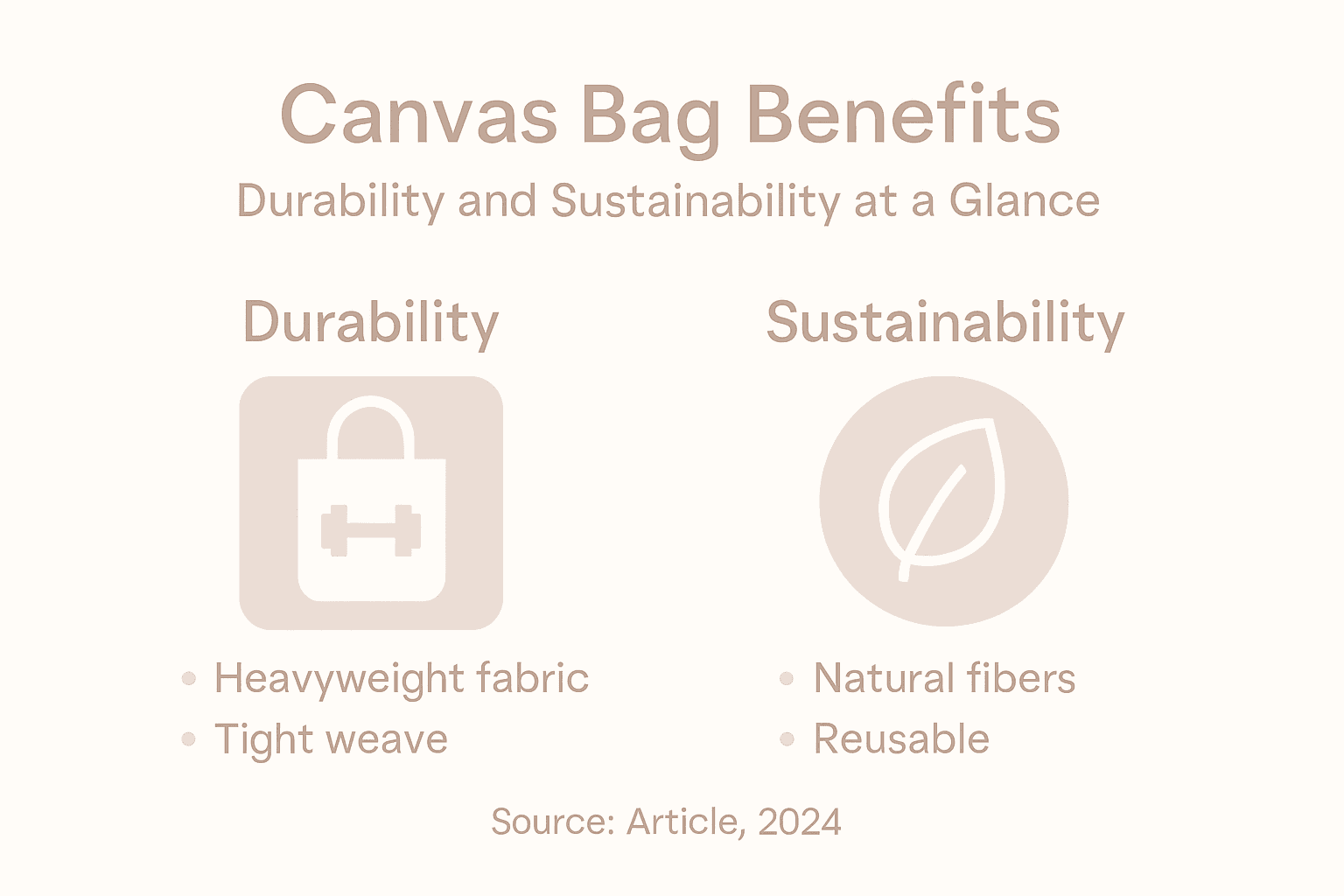
Canvas bags represent a pinnacle of sustainable design, offering exceptional durability that transcends typical textile expectations. Sustainability through durability positions canvas as a superior alternative to disposable materials, providing users with a long-lasting solution that actively reduces environmental waste.
The inherent strength of canvas fabric stems from its dense, tightly woven construction, which enables repeated use without significant degradation. Unlike synthetic materials that quickly wear or tear, canvas bags maintain structural integrity through multiple washing cycles and intense daily usage. This robust quality means a single canvas bag can replace dozens of single-use plastic bags, making a tangible impact on reducing environmental pollution and promoting sustainable consumption practices.
From an environmental perspective, canvas bags embody circular economy principles by extending product lifecycle. The material’s natural fibres are often biodegradable, and its exceptional longevity means fewer resources are consumed in repeated manufacturing. Furthermore, many canvas bags can be repaired, upcycled, or recycled, creating a comprehensive approach to sustainable accessory design that goes beyond mere consumption.
Pro tip: Extend your canvas bag’s lifespan by washing it gently, avoiding harsh chemicals, and repairing minor damages promptly.
Comparing Canvas and Other Bag Materials
Navigating the landscape of bag materials reveals canvas as a standout choice, particularly when compared to synthetic alternatives. Material sustainability standards demonstrate canvas’s superior environmental credentials, offering a compelling alternative to plastic and other less eco-friendly options.
Plastic and synthetic bags present significant drawbacks that canvas elegantly overcomes. While these materials might initially seem lightweight and water-resistant, they contribute substantially to environmental waste and lack the breathable, durable qualities of natural canvas. Nylon and polyester bags often degrade quickly, releasing microplastics and requiring frequent replacement, whereas canvas maintains structural integrity through years of consistent use.
Leather, another popular material, differs considerably from canvas in both performance and environmental impact. Comparative material properties reveal that while leather offers a premium aesthetic, it comes with higher production costs and environmental consequences. Canvas provides a more accessible, lightweight alternative that doesn’t compromise on strength, offering comparable durability at a fraction of the environmental and financial cost. Its natural fibres breathe more effectively, resist moisture, and can be more easily cleaned and maintained compared to leather’s more delicate maintenance requirements.
Below is a summary comparing key characteristics of popular bag materials:
| Material | Durability | Environmental Impact | Typical Use Cases |
|---|---|---|---|
| Canvas | Long-lasting, strong | Low, biodegradable and repairable | Shopping, commuting, outdoor use |
| Plastic | Easily torn, short life | High, contributes to landfill waste | Grocery, disposable purposes |
| Leather | Durable, needs care | Medium-high, resource intensive | Fashion, formal, luxury Bags |
| Nylon/Polyester | Moderate, degrades faster | High, releases microplastics | Sports, lightweight travel bags |
Pro tip: When selecting a bag material, prioritise longevity, environmental impact, and practical functionality over temporary aesthetic trends.
Caring for Canvas Bags: Longevity and Upkeep
Maintaining a canvas bag requires thoughtful, consistent care that preserves its structural integrity and aesthetic appeal. Safe textile maintenance practices emphasise the importance of gentle cleaning techniques and avoiding harsh chemical treatments that could compromise the fabric’s natural strength.
The cleaning process begins with understanding canvas’s unique material properties. Spot cleaning with mild detergent and cool water works best, focusing on targeted stain removal without saturating the entire fabric. Hand washing is preferable to machine cycles, which can cause unnecessary stress on the bag’s seams and structural elements. Always air dry canvas bags away from direct sunlight and heat sources, as prolonged exposure can cause fabric weakening and colour fading.
Canvas fabric preservation requires proactive maintenance strategies. Regular inspection for loose threads, potential wear points, and minor damage allows for timely repairs that prevent more extensive deterioration. Store your canvas bag in a cool, dry environment, ideally hanging or laid flat to maintain its shape, and avoid overloading it beyond its recommended weight capacity to prevent unnecessary strain on the material.
Here is a quick reference for caring for canvas bags effectively:
| Care Routine | Effect on Longevity | Common Mistake to Avoid |
|---|---|---|
| Gentle spot cleaning | Prevents fabric weakening | Using harsh chemical detergents |
| Air drying away from sun | Maintains colour and shape | Exposing to direct heat or sunlight |
| Timely minor repairs | Stops small damage worsening | Ignoring loose threads or weak seams |
Pro tip: Invest in a soft-bristled brush for gentle dirt removal and always test cleaning solutions on an inconspicuous area before full application.
Discover Canvas Bags Where Style Meets Enduring Purpose
Canvas bags offer unbeatable durability and sustainability but finding a bag that truly combines these qualities with timeless style can be a challenge. Many shoppers struggle with bags that wear out quickly or fail to meet practical needs for carrying capacity and functional design. The article highlights key terms like durability, versatility, and sustainable consumption which are essential when choosing the perfect everyday canvas accessory.
At Troop London, we understand these challenges and specialise in meticulously crafted canvas bags that answer your desire for both strength and style. Whether you prefer a rugged backpack for heavy loads, a sleek crossbody for easy mobility, or the urban sophistication of messenger bags, our collections like Classic, Heritage, and Urban offer solutions built from organic, sustainable materials with premium craftsmanship. Every bag is designed to withstand daily wear while enhancing your fashion statement with vintage-inspired aesthetics.

Why settle for less when you can enjoy long-lasting quality that supports an eco-conscious lifestyle? Visit Troop London’s landing page today to explore our range of durable canvas bags and accessories. Embrace smart, stylish sustainability and transform your everyday carry. Start your journey to choosing the perfect canvas bag now and benefit from exclusive offers that make quality affordable.
Frequently Asked Questions
What materials are canvas bags made from?
Canvas bags are typically crafted from heavyweight cotton or linen threads, woven in a plain or twill pattern, which contributes to their exceptional durability and strength.
What are the main types of canvas bags?
The main types of canvas bags include backpacks, crossbody bags, and messenger bags, each designed for specific uses and user experiences, such as carrying heavy loads, offering mobility, or providing professional styling respectively.
How do canvas bags compare to synthetic bags?
Canvas bags are more durable and environmentally friendly compared to synthetic bags, which often degrade quickly and contribute to environmental waste. Canvas bags can be used repeatedly without significant wear, making them a sustainable choice.
How can I extend the lifespan of my canvas bag?
To extend the lifespan of a canvas bag, gently clean it using mild detergent, air dry it away from direct sunlight, and monitor for any minor damage to repair it promptly before it worsens.
Recommended
- What Is the Proper Way to Go About Cleaning a Canvas Bag – Troop London
- Why Choose Canvas Bags: Style, Sustainability, Strength – Troop London
- 9 Fun and Creative Ways to Use Your Sturdy Canvas Bag – Troop London
- Canvas Bag Essentials: Style, Durability and Function – Troop London
- MEXESS Streetwear Organic Clothing